EVENTS

Meetings are usually held on the third Tuesday of the month at 2.00 pm at the Quaker Meeting House, Meeting House Lane, Penrith CA11 7TR unless advised otherwise in advance.

VISITORS ARE WELCOME for a donation £5 for each meeting attended.

For Further Information click on highlighted Links

PROGRAMME 2026-27

DATE

SPEAKER

TITLE

20th October  2026

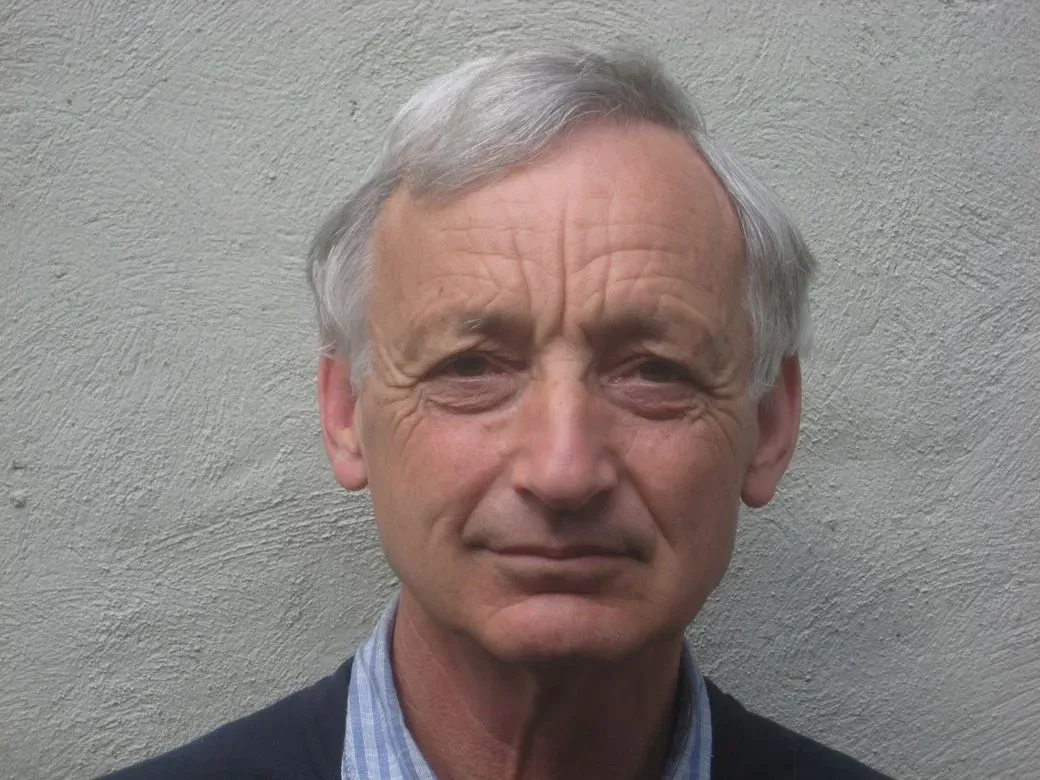
Mike Winstanley

Muck, Medicine & Mortality

17th November 2026

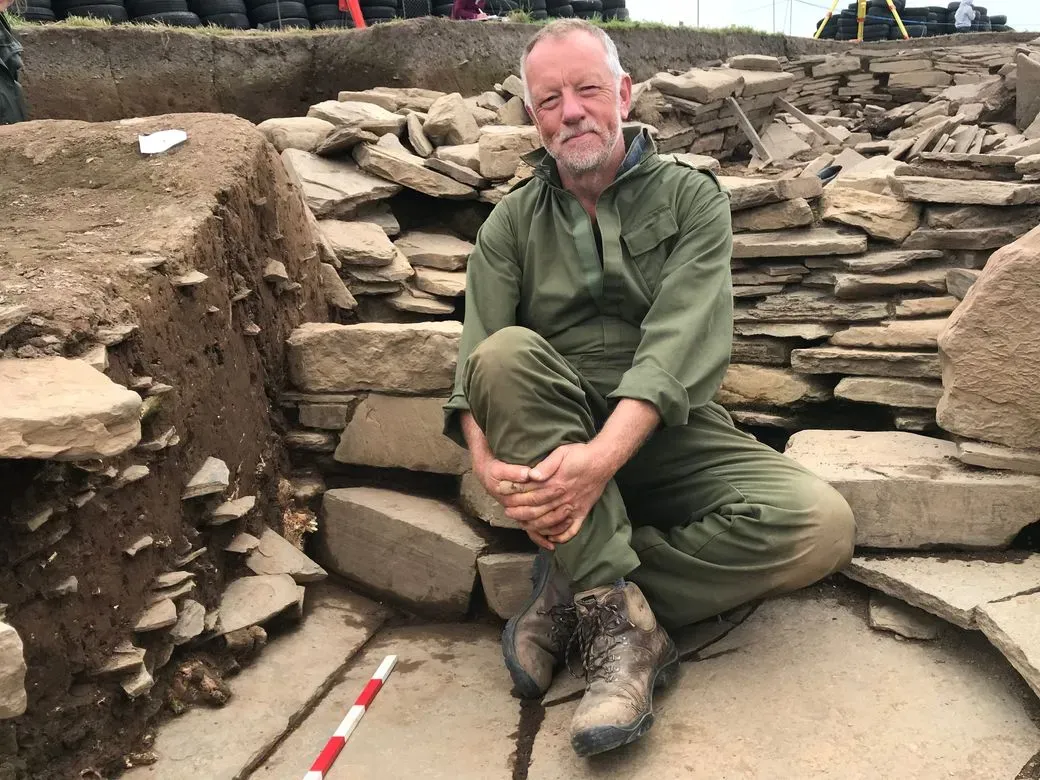
Bruce Bennison

Cumbria 5,000 years ago – the arrival of the first farmers

16th February 2027

Rob David

Waiter, Miner, Butcher Spy: Germans and Austrians in Cumbria during the First World War

16th March 2027

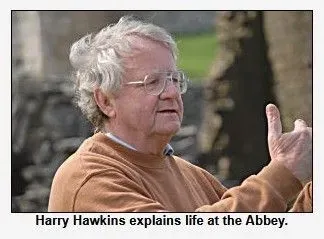
Harry Hawkins

Monks, Shepherds and Wool

13th April 2027

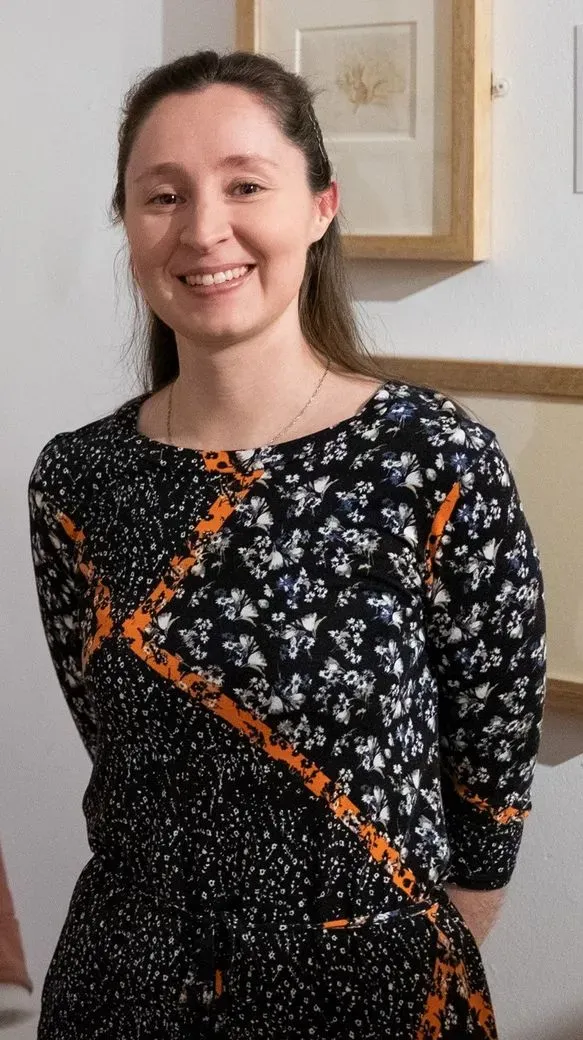
Faye Morrissey

The Armitt: An insight in to  the history of the museum and its collection

Excursion:  8th June 2027 

To Armitt Library & Museum Centre, Ambleside  (LA22 9BL) an escorted tour of the Library and Museum + presentation about Beatrix Potter which will include an opportunity to look at the museum’s collection of her original work.   

(N.B. The cost of the excursion is not included in the membership subscription.)

Muck, medicine & Mortality

BIBLIOGRAPHY

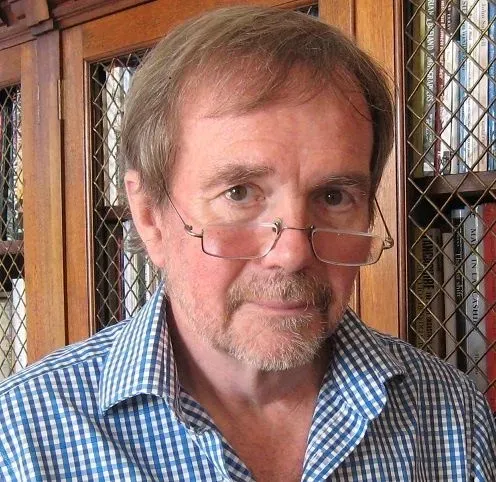
Mike was Senior Lecturer at Lancaster University for 32 years, retiring in 2010, He specialised in the regional history of the North West, particularly in the 19th century and publishing on a wide range of topics.  However, he continues to research publish and give lectures to local groups.  He also currently organises a series of online talks for members of the Cumberland and Westmorland Antiquarian and Archaeological Society and is actively involved with local societies in North Lancashire. 

PRESENTATION

The presentation will explore the ways in which Victorians in the north west of England coped, or tried to cope with the squalor and disease which was generated by polluted or insufficient water…

The Victorians were the first to face the challenge of improving public health.  They faced enormous problems:  polluted water, inadequate sewerage, limited medical understanding and facilities, poor housing and very high death rates, particularly for infants.  There was also the thorny issue of who paid for any improvements. When the Public Health Inspector visited Penrith in 1849 he was asked if he had ever surveyed a cleaner town; he replied that he had never surveyed a dirtier.  

How well did they cope both nationally, in Cumbria and the Penrith district?