Waiter, Miner, Butcher, Spy: Germans and Austrians in Cumbria during WW I
ROB DAVID
Dr Rob David was involved in education in Cumbria for many years, and since retirement has been investigating aspects of Cumbria's past, especially minority groups who found themselves living in the county during times of international turmoil. Between 2017 and 2020 Rob was President of the Cumberland and Westmorland Antiquarian and Archeological Society (CWAAS).
PRESENTATION
In 1914 at the outbreak of the First World War there were many dozens of, mostly male, Germans and Austrians living in Cumbria. After having lived peacefully in the county, often for many years, and in some cases married Cumbrians, they suddenly became ‘the enemy’. This talk examines who these people were, what happened to them during the war, and how Cumbrians reacted to them before, during and after hostilities. It will follow their story from their homes and places of work in our county to an internment camp in Lancaster and on to the enormous camp built especially for them in the Isle of Man. Case studies will follow the progress of individuals and their families as events unfolded and attitudes changed. A new section to the talk will follow the chequered history of one of these German citizens through internment for the duration of both the first and Second World Wars.
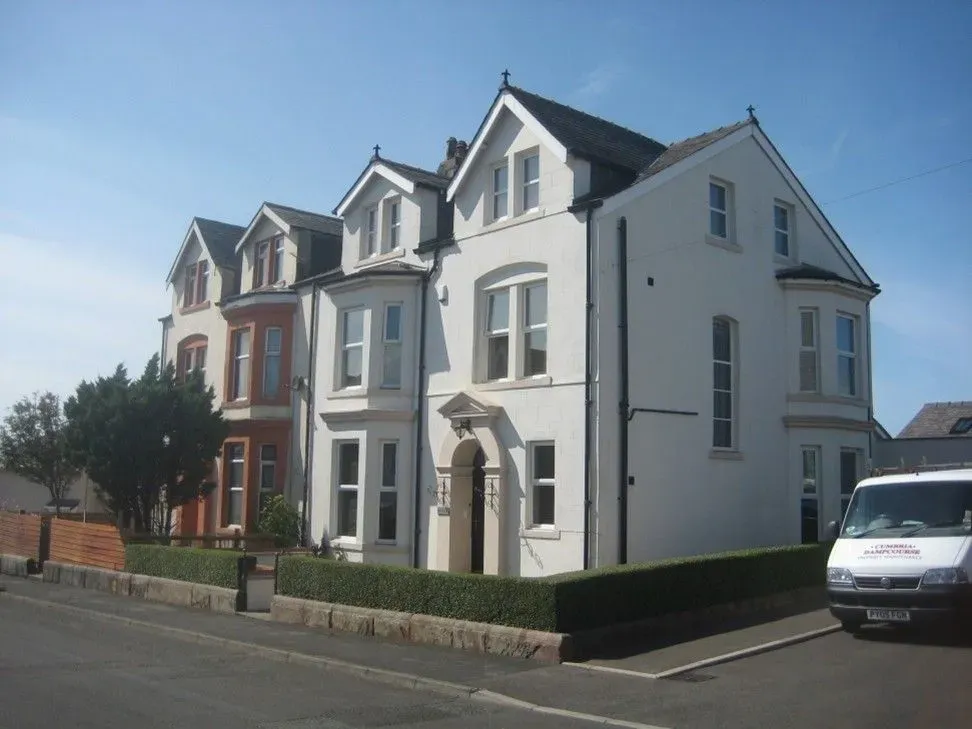
The internment camp at Lancaster: the initial destination of many of Cumbria’s German and Austrian nationals in 1914.
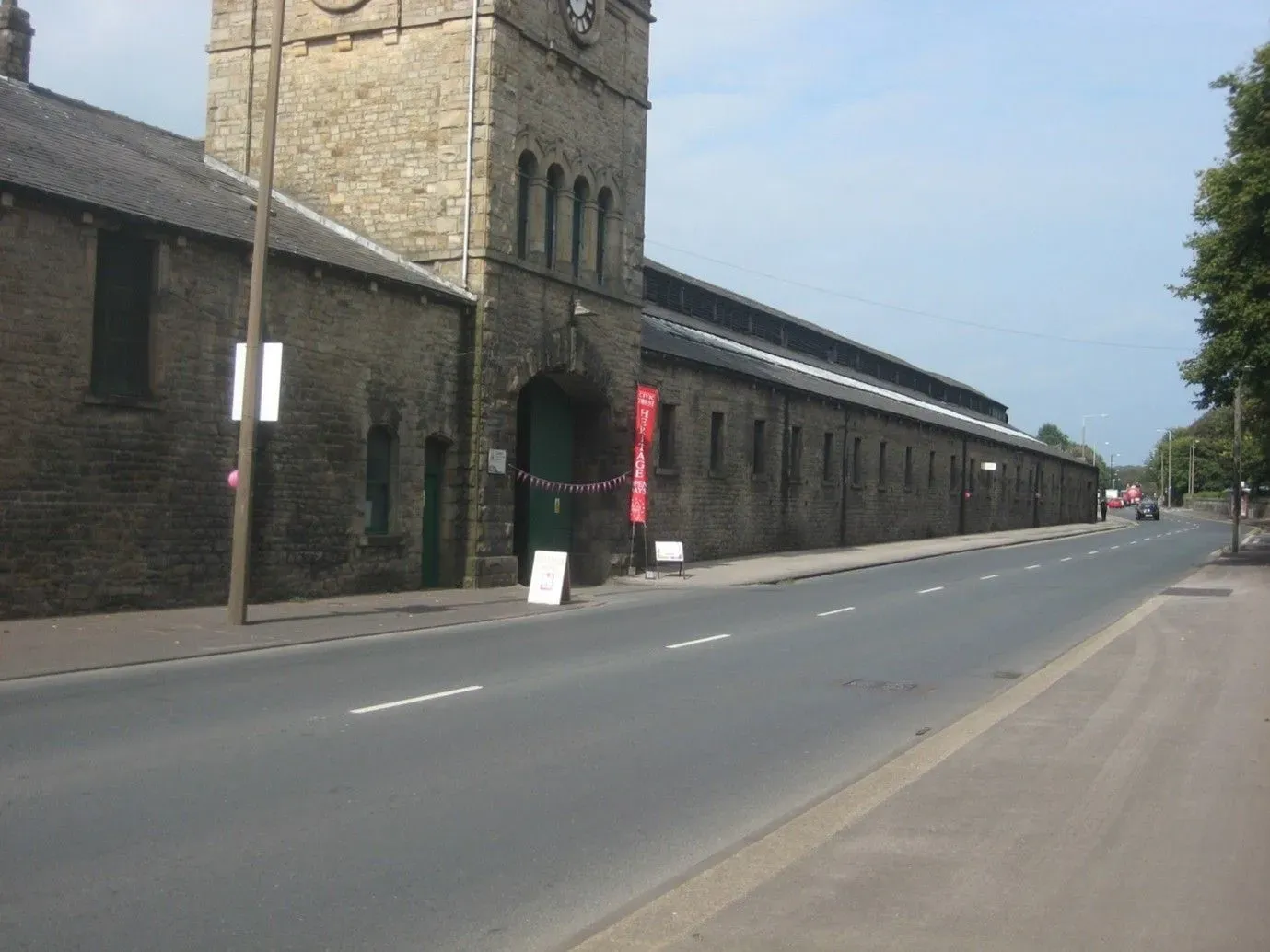
Camp Hill, Maryport. The home of a German-born family who were required to move away from the coast in 1915 for security reasons.
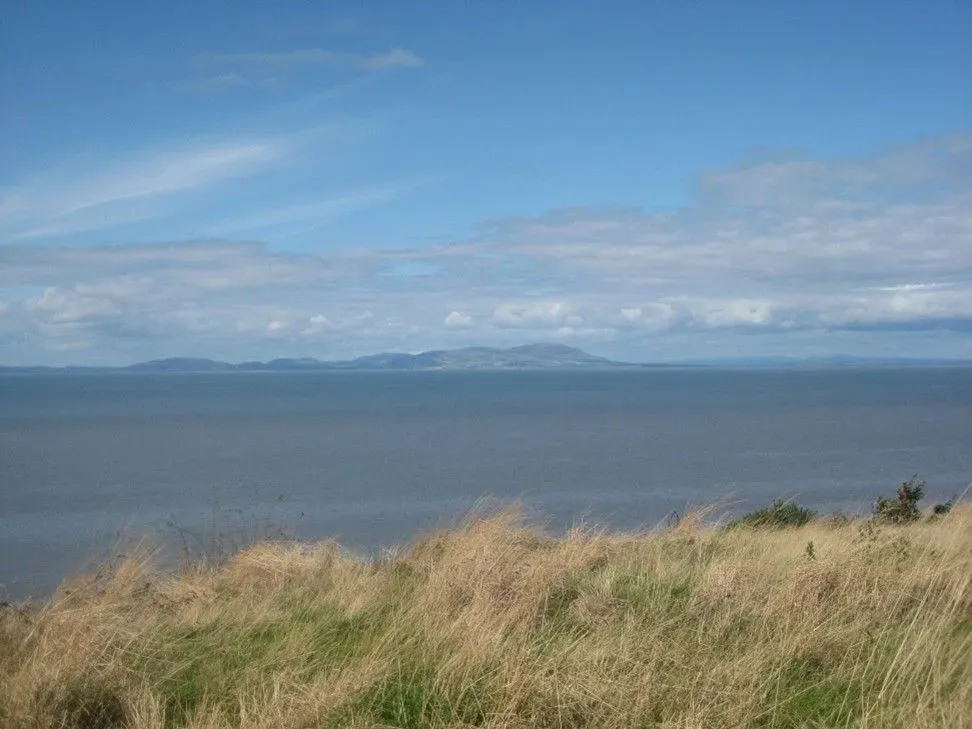
A danger to national security: the view across the Solway from Camp Hill, Maryport.
Monks, Shepherds and Wool
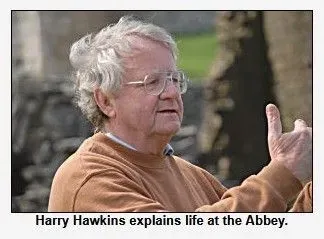
HARRY HAWKINS
Harry attended Goldsmiths’ s College, University of London, but left to take up Highway Engineering first with contractors on air force bases (operated by American Air Force) and then for different county councils. In 1980 he arrived in Cumbria to work in the Highways Department of the County Council at Skirsgill and from 1990 to retirement 1996, in the County Personnel Department. On retirement, Harry began research into Shap Abbey, which involved a detailed examination of the Shap Abbey Records. ‘The Chapel at Keld’ and ‘The Premonstratensians at Preston Patrick.’ were papers published in CWAAS Transactions. There are a further two items of unpublished research which can be accessed from the Internet Archive: The Records of Shap Abbey, Cumbria 1180-2000 and Records of Armathwaite Priory, Ainstable, Cumbria c.12-1552. Benedictine Nuns.
PRESENTATION
This presentation has been developed following the detailed research of the records of Shap Abbey.
Wool was the most important export commodity and revenue source for the monarchy of England in the Middle Ages and English
Monasteries were the largest source for the wool. The presentation seeks to explain the medieval wool market, the quantities produced and the involvement of the monasteries.
The Armitt: An insight in to the history of the museum and its collection
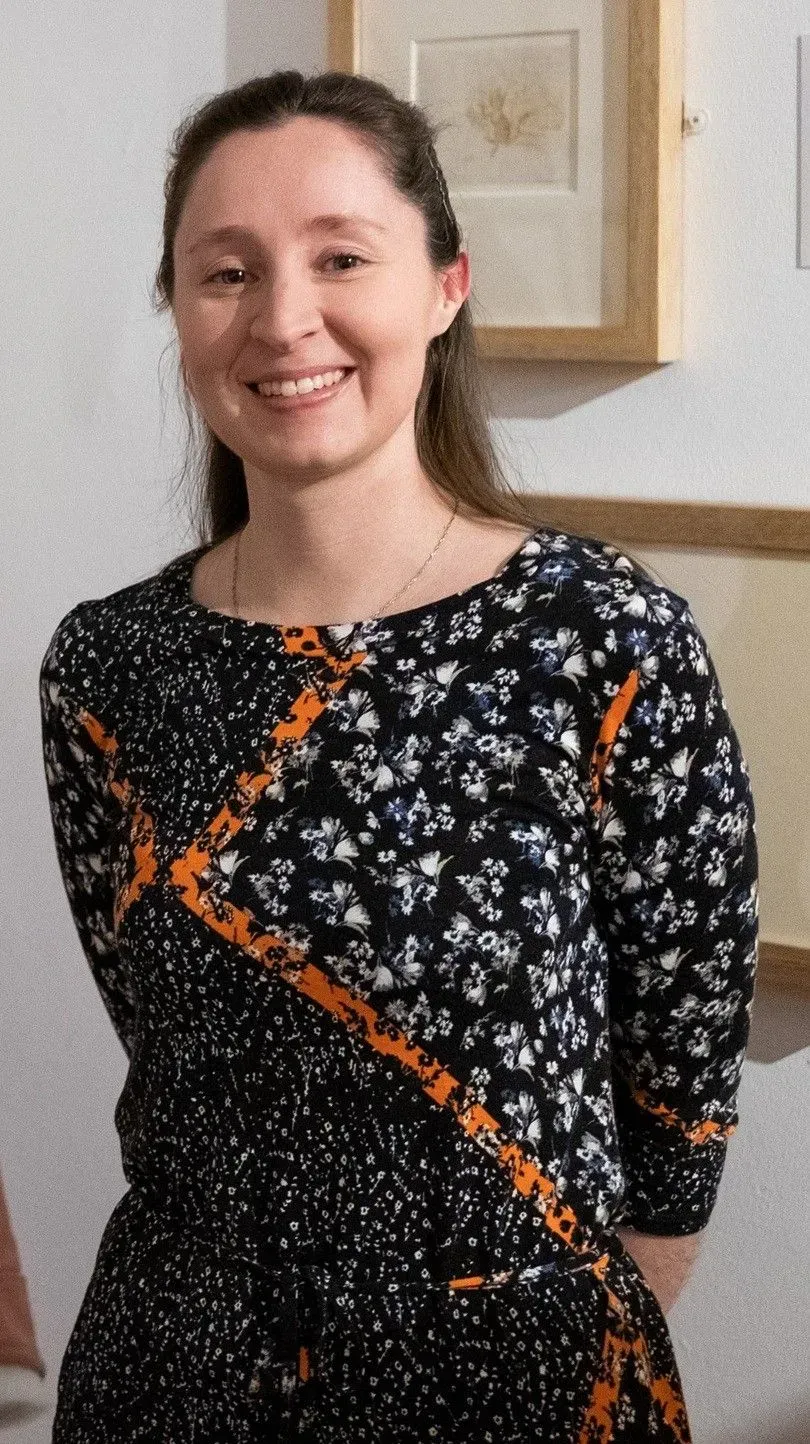
FAYE MORRISSEY
Faye Morrissey is the Manager & Curator of The Armitt: Museum, Gallery, Library in Ambleside, Cumbria. For the past five years, Faye has been working to raise the profile of the organisation and develop wider awareness and participation in the museum’s activities which now includes annually changing exhibitions, an evolving events programme, group visits and community outreach, and the launch of escape box experiences. Previous to this role, Faye held the position as Head of Operations and Visitor Services at Delapré Abbey in Northampton. Faye is originally from Lancashire.
PRESENTATION
The Armitt is an independent museum and library situated in the heart of the Lake District – Ambleside. But where does the name “Armitt” come from, what does the collection contain, and why is it important? In this illustrated talk you will find out about the history of The Armitt, its significant collections and people, the programming activities taking place and how it continues to play a part in local and wider community.