Muck, Medicine & Mortality
MIKE WINSTANLEY
Mike was Senior Lecturer at Lancaster University for 32 years, retiring in 2010, He specialised in the regional history of the North West, particularly in the 19th century and publishing on a wide range of topics. However, he continues to research publish and give lectures to local groups. He also currently organises a series of online talks for members of the Cumberland and Westmorland Antiquarian and Archaeological Society and is actively involved with local societies in North Lancashire.
PRESENTATION
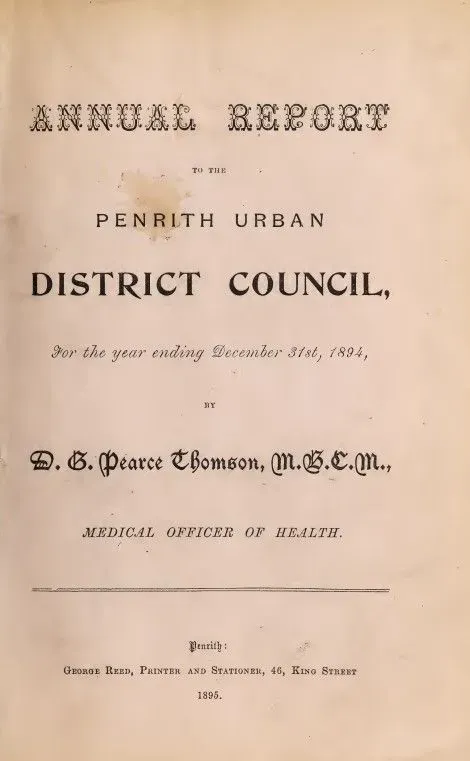
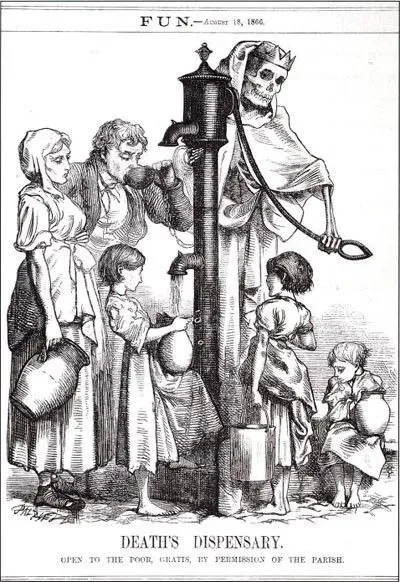
The presentation will explore the ways in which Victorians in the north west of England coped, or tried to cope with the squalor and disease which was generated by polluted or insufficient water…
The Victorians were the first to face the challenge of improving public health. They faced enormous problems: polluted water, inadequate sewerage, limited medical understanding and facilities, poor housing and very high death rates, particularly for infants. There was also the thorny issue of who paid for any improvements. When the Public Health Inspector visited Penrith in 1849 he was asked if he had ever surveyed a cleaner town; he replied that he had never surveyed a dirtier.
How well did they cope both nationally, in Cumbria and the Penrith district?
Cumbria 5,000 years ago – the arrival of the first farmers
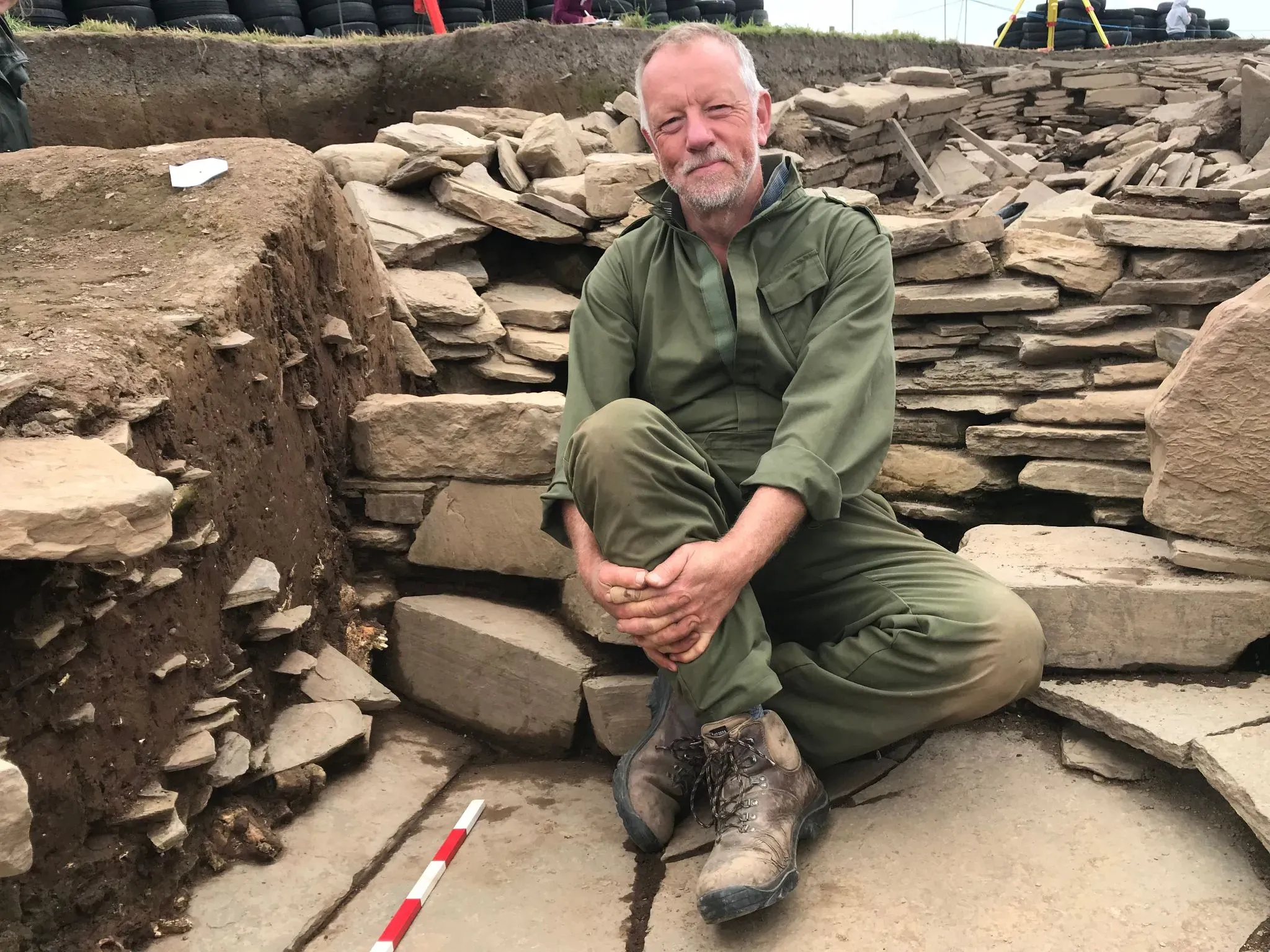
BRUCE BENNISON
Bruce retired as the former County Library Manager for Cumbria in 2015, but he had a long-established career in archaeology and museums before that. He continues to pursue his own origins in archaeology, looking at the early history of Cumbria and indeed still digging whilst his back and knees allow! Most recently, he was involved with excavations at the Roman Fort of Birdoswald which have helped to reveal the story of the people who lived and worked there 2000 years ago.
PRESENTATION
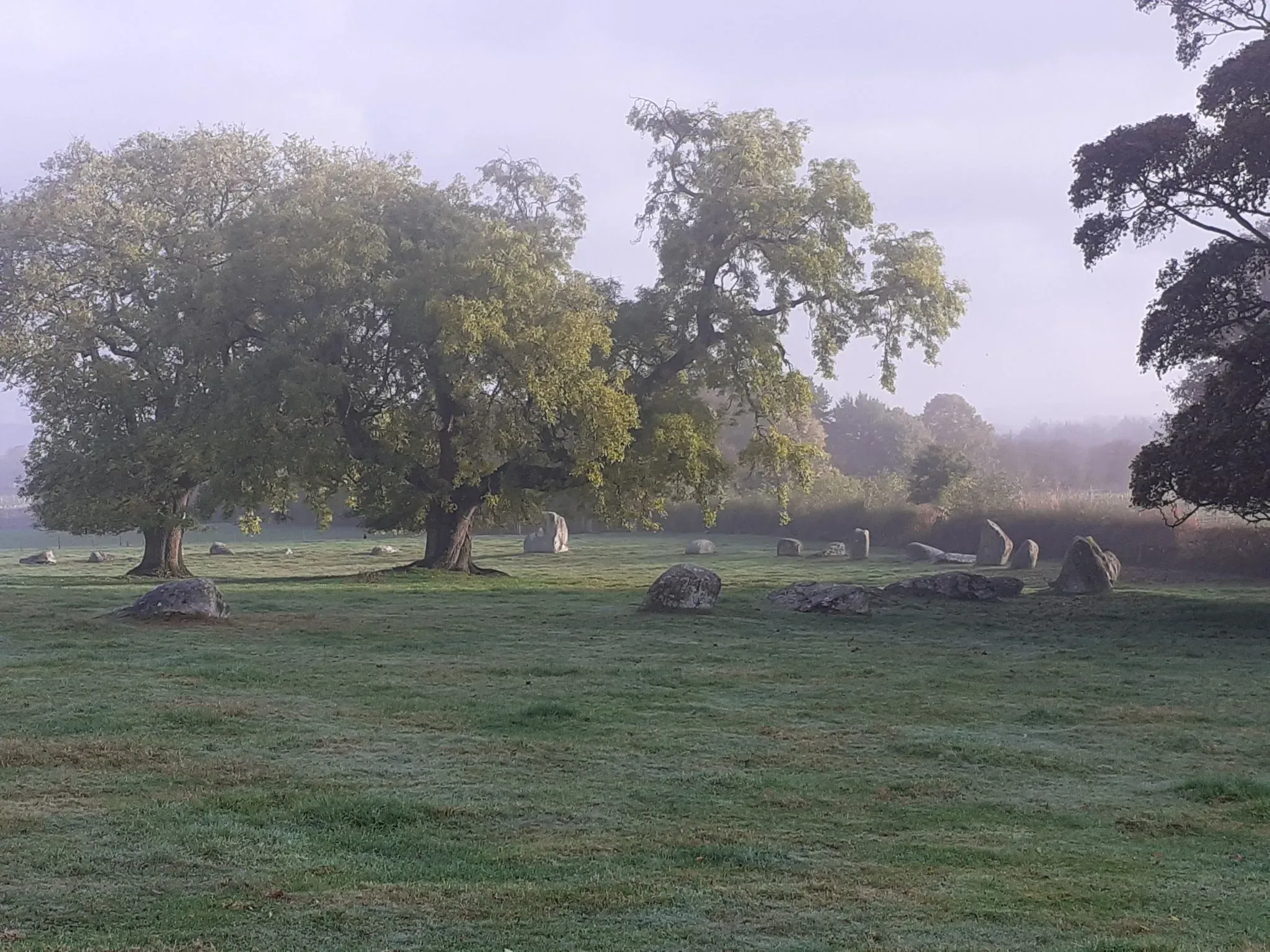
Cumbria has some of the largest prehistoric monuments in the British Isles, dating from over 5000 years ago. Recent work has added much to our understanding of them and this presentation will explore some local sites and Bruce will talk about their origins, the people who built them and where they had come from.